We Find Ourselves Where We Are Exposed
A theological and pastoral reflection on vulnerability, shame, creaturehood, and what it means to receive another person with the heart of Christ — drawn from Dr. Jeffrey Gross's paper of the same name.
"Before shame made exposure feel dangerous, humanity was created to be finite, dependent, embodied, relational, and known before God."
— Dr. Jeffrey W. Gross
Biblical counseling is not primarily about technique. It is not about knowing the right passages or asking the right questions. At its deepest level, it is about two things that are inseparable: the counselor's own formation before God, and their willingness to receive another person in the most unguarded interior of their life.
What people bring to counseling sessions is not a problem to be solved. It is a self — a soul shaped by years of hiding, protecting, and surviving. Shame has taught them that exposure leads to condemnation. Fear has trained their bodies to tighten before their minds can reason. And the walls they have built, however painful they have become, feel like the only thing standing between them and annihilation.
To receive that person well — to truly receive them — requires something the counselor cannot manufacture through skill alone. It requires the heart of Christ. And the heart of Christ, for the counselor, begins with their own willingness to be known before God.
What follows is a reflection in six parts, drawn from Dr. Gross's theological paper We Find Ourselves Where We Are Exposed, extended here to speak directly to the counselor — to what biblical care actually demands of the one who offers it.
Theological Axiom
Vulnerability is not first a psychological weakness but a theological condition of creaturehood. Shame does not create vulnerability — it corrupts the meaning of vulnerability by interpreting being seen as the beginning of rejection rather than communion.
Before shame made exposure feel dangerous, something else was true first.
In the Genesis narrative — before the serpent's whisper, before fig leaves, before hiding among the trees — there was Adam and Eve, "naked and unashamed" (Gen. 2:25). That phrase is not incidental. It is theological. Vulnerability was not yet humiliation. Exposure was not yet danger. To be seen was not yet to be condemned.
The human person was created to exist openly before God and another — not as an autonomous fortress, but as a finite, dependent, relational creature whose life was received before it was managed.
This is where theology must speak first. Psychology can describe the defensive pattern. Neurobiology can describe the body's recoil. But Scripture reveals the deeper truth: vulnerability belongs to creaturehood before it belongs to fear.
Genesis 2:25
"The man and his wife were both naked, and they felt no shame."
Shame did not create vulnerability. It corrupted the meaning of it.
It took the fact of vulnerability and gave it a false meaning. It preached a dark gospel to the heart: "Because you can be seen, you can be rejected. Because you are dependent, you are defective. Because you are unfinished, you are unworthy."
Fear became the liturgy of the hidden heart. It taught the body when to tighten, the mouth when to qualify, the eyes when to look away, and the mind when to rehearse every possible rejection before love had even spoken.
Self-protection had once sounded like wisdom. Now it appears as resistance — not merely resistance to people, but resistance to being known, received, and loved before God. The heart had long imagined itself the architect of its own security, diligently constructing fortresses of competence and control. This was a response to a fundamental misunderstanding of its own creaturely nature.
There was once a man who built a house without windows. He called it safety because no one could see inside. He called it wisdom because no storm could easily enter. He called it peace because the rooms were quiet. But over time, the air grew thin. The lamps dimmed. The man forgot the color of morning.
One day, he heard a knock at the door.
"Who is there?" he asked.
"The Light," came the answer.
"If I open the door, everything hidden will be seen."
"Yes," said the Light. "And everything dead will begin to live."
Genesis 3:10
"He answered, 'I heard you in the garden, and I was afraid because I was naked; so I hid.'"
A Final Word
The person who comes to you for biblical counseling has, in the act of coming, already done something courageous. They have chosen to be seen. Not fully — not yet. But they have knocked on a door.
The only question is what they find on the other side.
They do not need perfection. They do not need a counselor who has arrived. They need a counselor who is earnestly, humbly, imperfectly pursuing the heart of the One who said, "Come to me, all who are weary and burdened, and I will give you rest." They need someone who has been found by that invitation themselves — who knows what it means to be received, not fixed — and who is willing to hold that space for another, at cost to themselves, guided by a Scripture that does not flatten suffering but sanctifies it.
That is biblical counseling. Not a method. A posture. A cruciform posture. Learned slowly, lived imperfectly, offered freely. Because the Wonderful Counselor went first.
Matthew 11:28–29
"Come to me, all you who are weary and burdened, and I will give you rest. Take my yoke upon you and learn from me, for I am gentle and humble in heart, and you will find rest for your souls."
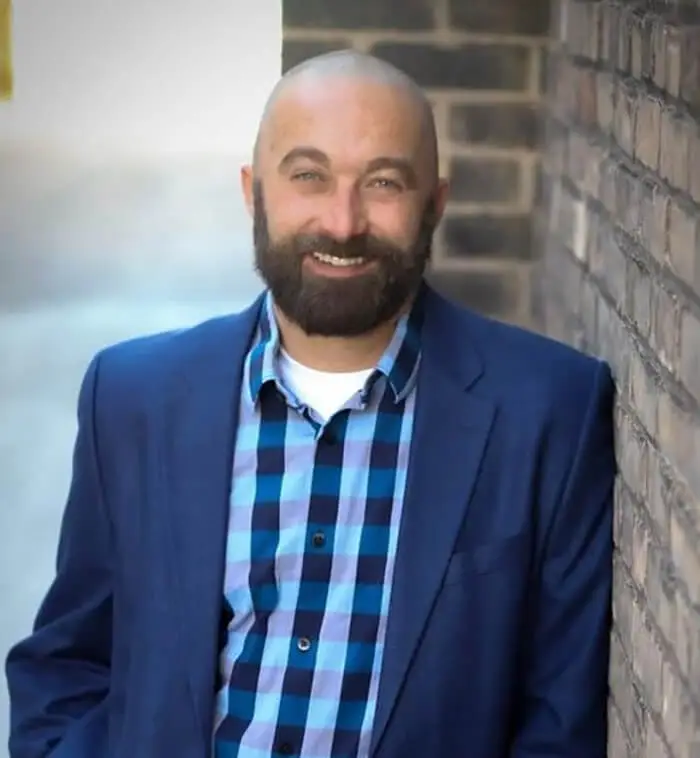
Dr. Jeffrey W. Gross
Ph.D., Th.D., M.A., M.S. · Founder & Lead Counseling Pastor, Restoring Hope Ministries
Dr. Gross is a pastoral counselor, theological educator, and ministry leader whose work brings Scripture, spiritual formation, and careful attention to the human condition into practical conversation. This article was drawn from his theological paper We Find Ourselves Where We Are Exposed.

