Understanding the Science
What Is Neurofeedback?
A plain-language explanation of how neurofeedback works, what conditions it helps, and how RHM integrates it within a Christ-centered care model.
The Simple Explanation
Your brain is constantly producing electrical signals — brainwaves — that correspond to different mental states: focused, relaxed, anxious, asleep. In people who have experienced trauma, chronic stress, ADHD, or other conditions, these brainwave patterns can become dysregulated — stuck in patterns that don't serve the person well.
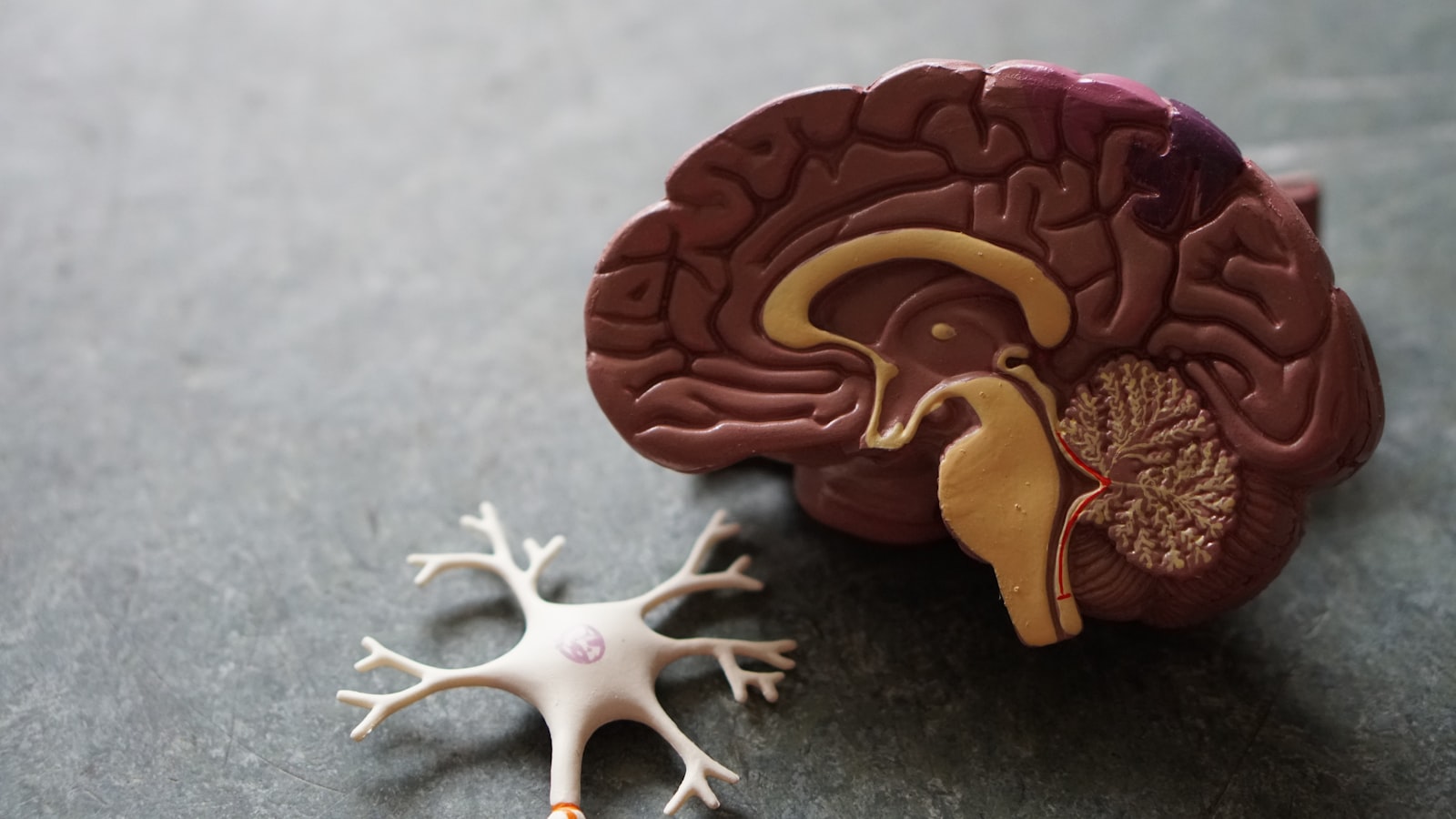
Neurofeedback is biofeedback for the brain. Using sensors placed on the scalp (no electricity enters the brain), a computer reads your brainwave activity in real time and gives you feedback — usually through a movie, game, or audio signal. When your brain produces healthier patterns, the feedback is rewarding. Over time, the brain learns to prefer and sustain those healthier patterns on its own.
This is not mind control. It is education — teaching your own brain to regulate itself more effectively. The results can be profound and lasting.
Conditions Neurofeedback Helps
- PTSD and complex trauma
- ADHD and attention difficulties
- Anxiety and panic
- Depression
- Sleep disorders
- Addiction and recovery support
- Traumatic brain injury (TBI)
- Autism spectrum support
- Peak performance and focus
- Chronic stress and burnout
Common Questions
Is neurofeedback safe?
Yes. Neurofeedback has been used clinically for over 50 years and has a strong safety record. It is non-invasive — no electricity enters the brain. The brain simply receives information about its own activity and self-regulates based on that feedback.
How many sessions does it take?
Most people begin noticing changes between sessions 10–20, though this varies widely depending on the presenting issue. Severe PTSD, TBI, or chronic dysregulation may require more sessions. A typical protocol is 20–40 sessions, often 2–3 per week.
Does it work for everyone?
Neurofeedback is highly effective for many people, but not every person responds the same way. We conduct an initial assessment to determine whether neurofeedback is a good fit for your specific needs and goals.
Does it replace biblical counseling?
No. At RHM, neurofeedback is always offered within a Christ-centered care framework. We do not believe neurofeedback replaces prayer, Scripture, repentance, or community. It is one tool among many — and never the primary one.
Is it covered by insurance?
Neurofeedback is typically not covered by insurance as a standalone service. RHM offers it at $125/session with scholarship funding available for those who qualify through our Change Lives and Healing funds.
Who provides neurofeedback at RHM?
Neurofeedback at RHM is provided by practitioners who have completed formal neurofeedback training and are supervised within our pastoral care model. Dr. Jeffrey Gross oversees the overall care framework.
"We are fearfully and wonderfully made." The brain God designed has an extraordinary capacity to heal — and neurofeedback helps it do exactly that.
— Psalm 139:14

