Vision in Development · Target Launch: 2028
The 120 House
A Christ-Centered Recovery & Reentry Home Being Developed for Brown County, Wisconsin
Our prayer is to build more than a residence — a place where persons can encounter structure, mercy, accountability, meaningful work, spiritual formation, and the patient presence of the Body of Christ.
Vision Being Developed: The 120 House is a prayerful goal with a target launch of 2028. All content describes a proposed model; details may evolve as planning progresses. The 120 House is not a medical detox or clinical treatment facility and does not replace emergency services. If you are in crisis, please call 911 or go to your nearest emergency department.
Recovery Residence
Brown County, WI
Men & Women
Separate residences planned
Discipleship-Centered
120-day structured model
Target Launch
2028
Why The 120 House Exists
The 120 House is being developed as a Christ-centered recovery and reentry home rooted in biblical counseling, discipleship, education, and community partnership. The vision is not merely to establish housing, but to cultivate a structured pathway where persons can rediscover meaning, purpose, responsibility, vocation, hope, and identity before the Lord.
Restoring Hope Ministries does not claim to be the source of transformation. Our prayer is to be a stewarded structure of care, discipleship, counsel, and education that helps people come under the care of Christ within the life of His Body. Only Christ heals. Only Christ restores.
"Our prayer is that The 120 House becomes more than a residence — a place of ordered mercy, where men and women are not reduced to their past, but are encountered as image bearers whose lives may be re-narrated under the grace and lordship of Christ."
— Dr. Jeffrey W. Gross, Lead Counseling Pastor
The 120-Day Model — And Beyond
The 120 days is the intensive structured core — but residency is not limited to it. Residents may remain up to two years, and longer for those connected to employment. Recovery takes the time it takes.
How Peers Walk With Residents
Every new resident is paired with an Intake Peer from day one — a trained peer who walks closely beside them, guides them through the first 30 days, helps them settle into the rhythm of the house, and begins drawing out the strengths and connections each person brings with them.
After the intensive first month, residents are connected with a wider circle of peers. Together they build new community connections — work, friendship, mentorship, and belonging — that carry each person well beyond the house. Intake Peers focus on new arrivals; the broader peer team helps each resident grow an ever-widening network of support.
Days 1–30
Phase 1: Intensive
- • Establish stability and daily rhythm
- • Begin a growth-centered recovery plan
- • Identify patterns, triggers, and life gaps
- • Develop a Personal Recovery & Development Plan (PRDP)
- • Build early accountability habits
- • Engage with mentors and community supports
Days 31–120
Phase 2: Community-Integrated
- • Begin work, job training, or structured volunteering
- • Practice PRDP in real-life settings
- • Continue mentoring, coaching, and accountability
- • Engage community partners (employers, services, local organizations)
- • Build a stable post-program plan
- • Develop housing, work, and a supportive community beyond the house
Weekly Walks at UW–Green Bay
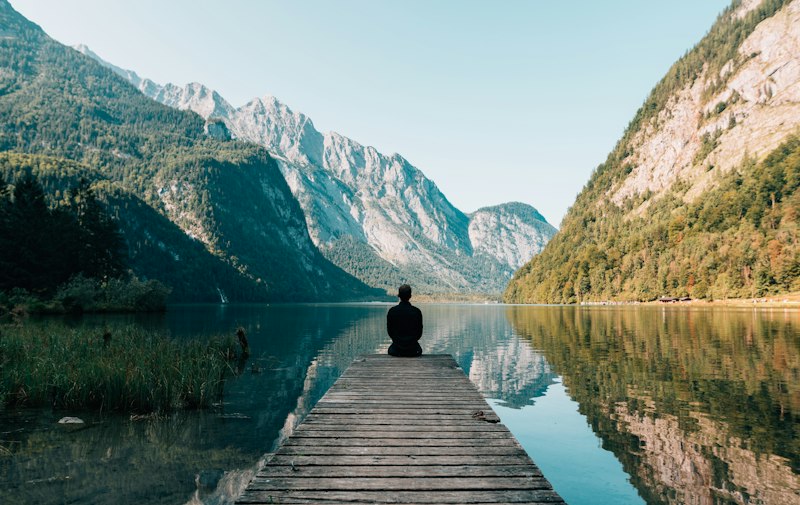
Residents and peers gather each week for group walks on the beautiful UW–Green Bay campus trails and the surrounding Cofrin Memorial Arboretum. These walks are a simple, steady rhythm — fresh air, movement, and unhurried conversation side by side.
- • Walking together lowers barriers — the best conversations often happen on the trail
- • Peers model healthy rhythm, movement, and connection as part of everyday recovery
- • A shared weekly outing that builds belonging beyond the walls of the house
Schedule and meeting point will be published as the program launch approaches.

A Vision Built on Community
RHM is inviting churches, pastors, employers, donors, educators, counselors, and community partners to help build this care structure together.
Churches & Faith Communities
- • Prayer, board involvement, and committee service
- • Mentors, discipleship, and long-term belonging
- • Pastoral consultation and referral pathways
- • Worship, meals, transportation, and practical care
Businesses & Employers
- • Entry-level and vocational employment opportunities
- • Job coaching, apprenticeships, and training
- • Donated services, in-kind support, or sponsorship
- • Purpose-building work that supports reintegration
Community & Service Organizations
- • Transportation and practical wraparound supports
- • Education, training, and social work connections
- • Recovery supports and reentry resources
- • Accountability committee or advisory involvement
A Serving & Learning Area for UW–Green Bay Students
The 120 House will include a dedicated service and learning area for psychology and social work students from UW–Green Bay. Students will serve within the house and learn from the peers and participants who live the work every day.
This is experiential learning in its truest form — a place where students learn to be humble before they learn to be competent. By walking alongside residents and trained peers, future counselors and social workers gain what no classroom can teach: how to listen, how to be present, and how to serve without taking over.
Learn From the House
Students observe and support the peer model in action — intake walks, group rhythm, community life — guided by experienced peers.
Give Back to the House
Students assist with staff trainings, program development, and research-informed projects that strengthen the home for residents.
Continuing Education at RHM
Dr. Jeffrey W. Gross leads RHM's continuing education program, which is connected to our campus partnerships — bringing professional training, supervision, and lifelong formation to students, peers, and staff alike.
Explore RRP TrainingJoin the Vision
Pray with us, connect your organization, or support the vision financially.

