A Ministry Posture
Our Counseling Philosophy
What is biblical counseling? How does it differ from secular therapy? And what does it mean to provide care that is both Scripturally faithful and genuinely competent?
What Is Biblical Counseling?
Grounded in Scripture. Centered in Christ.
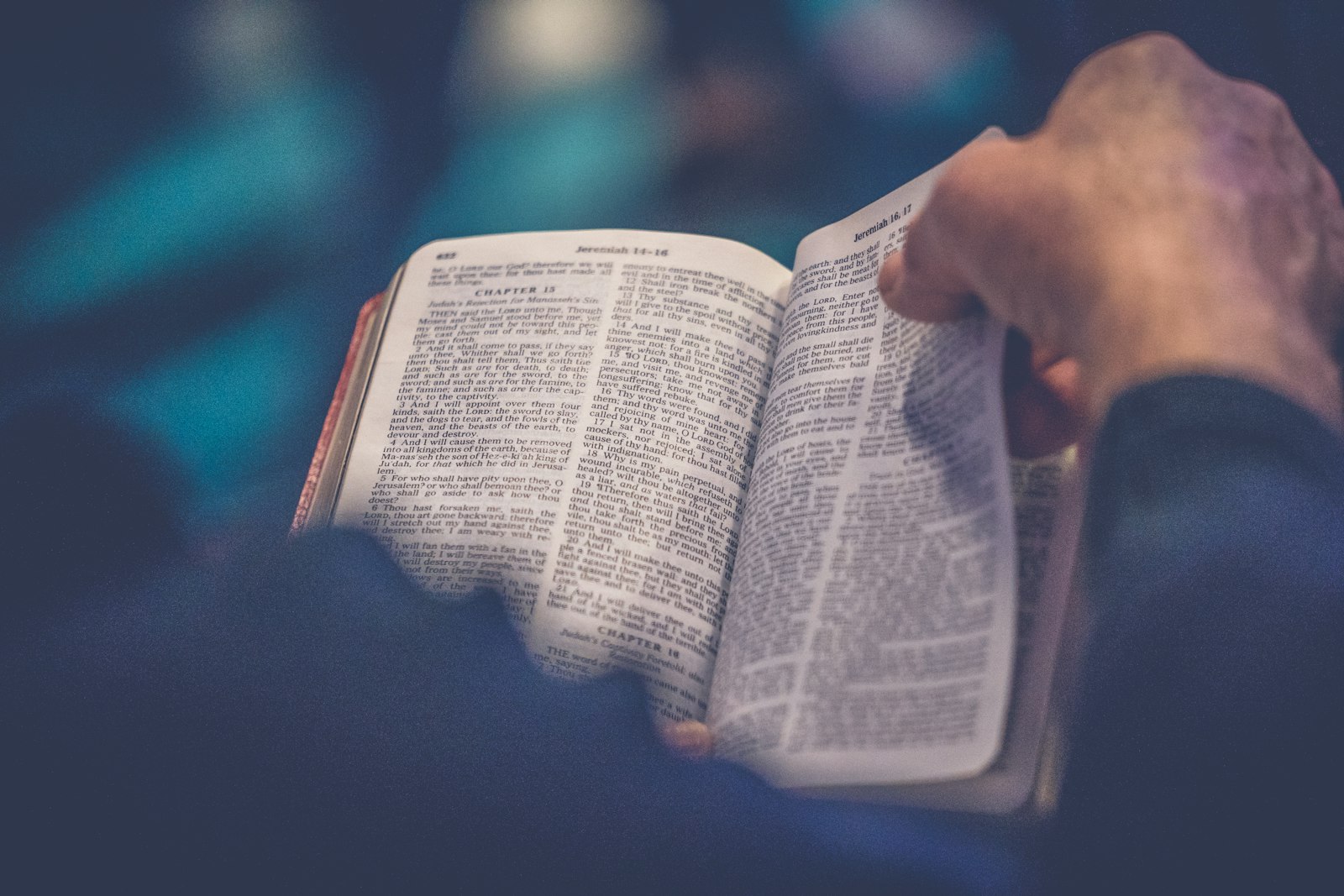
Biblical Counseling at Restoring Hope Ministries is grounded in the conviction that God's Word provides the answers to life's most challenging questions. It focuses on addressing life's difficulties by applying the teachings of the Bible — offering a path to spiritual healing and transformation through faith in Jesus Christ.
We hold a conviction at RHM that is sometimes uncomfortable to say: calling yourself a "biblical counselor" after a weekend course is not sufficient. The helping field demands formation, not just information. It demands ongoing education, accountable supervision, genuine life experience, and a consistent willingness to be shaped and corrected.
This is why our counselors are enrolled in or graduates of rigorous training programs. It is why we require formal pastoral supervision. It is why we engage in continued learning, case consultation, and peer accountability.
Foundations of Care
Six Pillars of Our Philosophy
2 Timothy 3:16-17
Scriptural Foundation
Built entirely on the principles found in the Bible. We believe that God's Word is sufficient for addressing life's struggles — not one resource among many, but the living and active Word of God.
Romans 12:2
Spiritual Transformation
The goal is to bring individuals closer to God, focusing on personal spiritual growth, repentance, and renewal through Jesus Christ. Healing is not merely behavioral change — it is formation.
Colossians 2:8
Theological Orientation
Our counseling is theologically oriented. We address the spiritual condition of individuals and offer guidance for overcoming life-controlling issues rooted in the truth of Scripture.
James 3:1
Counselor Formation
All of our counselors hold advanced degrees and receive ongoing pastoral supervision. Calling yourself a "biblical counselor" after a weekend course is not sufficient — formation is a lifelong process.
Proverbs 11:14
Mentorship & Accountability
Counselors are supervised through pastoral mentorship and receive regular training to ensure client care aligns with Scripture. We take the stewardship of caring for others seriously.
Matthew 7:3-5
Humility & Self-Examination
Scripture must first act as a mirror upon the counselor before it is used as a lens for the counselee. We approach every session as fellow pilgrims who have been shown mercy.
Understanding the Difference
Biblical Counseling vs. Secular Therapy
We deeply respect licensed clinical colleagues. We collaborate, refer, and co-treat when appropriate.
A Humble Distinction
Why Formation Matters in Biblical Counseling
We say this with deep love and respect for everyone who labors in the biblical counseling movement — including the many faithful men and women who have given their lives to advancing Scripture-based care. What follows is not a criticism of any person or ministry. It is a conviction about the weight of the work itself.
"The weight of carrying another person's soul is one of the most serious responsibilities in the Christian life."
James warns teachers that they "will be judged more strictly" (James 3:1). How much more then the biblical counselor — who is invited into the most broken, vulnerable, and desperate places of a person's story? We believe this calling demands not less preparation than the culture asks of those who care for the human heart, but more.
Some corners of the biblical counseling world have embraced a model that emphasizes accessibility over formation — offering certification through short coursework and minimal supervised practice. We understand that impulse. We share the desire to multiply care and equip the church. But we believe that when we rush formation, we risk harming the very people we are trying to help — and we risk dishonoring the Scripture we claim as sufficient.
The RHM Formation Framework
2 Timothy 2:15
Theological Depth, Not Just Biblical Familiarity
Knowing Scripture passages is not the same as being formed by systematic theology, biblical hermeneutics, the history of Christian thought, and the pastoral tradition. We require counselors to pursue genuine theological education — not merely a familiarity with counseling proof texts. The Word of God deserves careful, rigorous handling.
Luke 6:40
Counselor Formation, Not Just Information
A disciple, when fully trained, will be like their teacher. The goal of biblical counseling education is not simply the transfer of techniques — it is the transformation of the counselor. Who you are in the room matters as much as what you say. This kind of formation cannot be rushed. It requires years of learning, living, suffering, and being mentored by those who have gone before.
Proverbs 11:14
Supervised Practice, Not Unsupervised Confidence
Every clinician in the secular world is required to complete hundreds — often thousands — of supervised clinical hours before practicing independently. We believe the stakes in biblical counseling are at least as high. At RHM, all counselors are pastorally supervised. We require ongoing case consultation, accountability, and a posture of ongoing learning — not because we doubt Scripture, but because we take seriously what it means to represent Christ to a suffering person.
Psalm 139:14
Integrated Knowledge of Human Experience
We are fearfully and wonderfully made — body, soul, and spirit. Understanding trauma, grief, addiction, attachment, neurological function, and developmental history is not a concession to secularism. It is faithful stewardship of what God has embedded in human design. Biblical counselors who understand how suffering shapes a person can apply Scripture with far greater wisdom and compassion.
Galatians 6:1–2
Church and Community Integration, Not Isolated Practice
Biblical counseling was never meant to be a private professional service operating independently of the local church. At RHM, every care pathway is oriented toward church connection, pastoral accountability, and community belonging. The body of Christ is not a supplement to care — it is the environment in which healing flourishes.
1 Timothy 3:2
Credentials That Reflect the Weight of the Calling
We believe the standard for a biblical counselor should not be lower than what the church has historically required of its pastors and overseers — men and women "able to teach," temperate, self-controlled, hospitable, and above reproach. We pursue formal accreditation, rigorous degree programs, and ongoing professional development not to impress the world, but to honor the gravity of a calling that touches eternal souls.
"We do not say these things to elevate ourselves — only to honor the weight of the cross we are privileged to carry alongside others."
We are deeply grateful for every organization and individual who has committed their lives to bringing Scripture-centered care to a hurting world. We celebrate what God is doing across the biblical counseling movement, in all its expressions.
At RHM, we simply believe that the people who come to us — broken, ashamed, terrified, and desperate — deserve counselors who have sat long enough under the weight of their own formation to be gentle, patient, wise, and humble. They deserve shepherds who know not only what the Bible says, but who have been shaped by it.
"Who is sufficient for these things?" — 2 Corinthians 2:16
Our answer: only those being continually formed by God's grace.
We Just Want You to Get Help
If you are struggling, our deepest encouragement is simply this: please reach out to someone. Whether that is RHM, a licensed therapist, your pastor, or a trusted friend with godly wisdom — the most important thing is that you do not carry your burden alone.
"Bear one another's burdens, and so fulfill the law of Christ." — Galatians 6:2

